



The Problem
They came to us with a hypothesis rather than a request. This could probably be automated. They were right.
A digital publisher in specialty medicine had a bottleneck they could name precisely. Every day, someone spent eight hours monitoring newly published research, pulling what was relevant, and turning it into content for their platform. The work was essential. Their entire value to readers depended on it. But it was not skilled work. It was searching, copying, formatting, and repeating.
They came to us with a hypothesis rather than a request. This could probably be automated. They were right.
What they wanted was easy to state and harder to build. Remove the daily time sink without losing the editorial judgment that made the content worth reading, and do it in a way that let them cover more ground instead of just covering the same ground faster.
What We Did
We built it in stages rather than all at once.
We built it in stages rather than all at once. Each phase ended with a working component the client could put into production immediately. That kept risk low on both sides, kept our understanding of the process aligned with theirs, and delivered value before the whole thing was finished.
The completed toolset connected their website directly to the National Library of Medicine’s research database and ran daily queries against it, generating content for the platform automatically. It also went past the original ask. The author data pulled from those queries became the basis for automated outreach, opening follow-on collaboration opportunities the publisher had never had time to pursue. And it produced curated test information for patients and physicians in specialty medicine.
Then, a few years later, they came back with a different bottleneck.
They covered the major conferences in their specialty by sending medical writers to each session. The writers worked in Microsoft Word, because that was the tool they knew. Every article then had to be manually reprocessed by editors into something publishable. The whole value of conference coverage is timeliness for the people who were not in the room, and their coverage was landing days after the event closed.
The obvious fix was to train the writers on the publishing platform. We recommended against it. Writers at a conference have one job, and learning a CMS between sessions is not it.
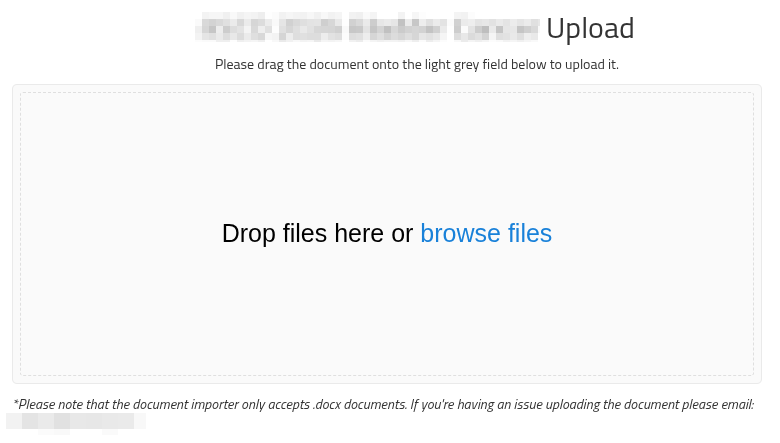
Instead we built a plugin that does two things. An administrator creates a link for a specific conference and sends it to the writers. A writer opening that link sees a blank page with an upload box and nothing else. They keep writing in Word, then drag the finished file onto the box. The plugin converts it into a correctly categorized draft article on the site. The content team reviews it and hits publish.
Result
The daily eight-hour process now takes forty minutes.
The daily eight-hour process now takes forty minutes.
That reclaimed time was worth $110,000 a year in salary, $330,000 across the first three years, and the project paid for itself within three months of going live.
The larger effect was scale. Freed from the manual bottleneck, the publisher could expand their coverage rather than simply produce the same volume with less effort, and their website traffic grew tenfold.
The conference plugin changed their market position rather than their cost base. Coverage that used to appear days late now goes up nearly live. For the large share of clinicians who do not attend any given conference, the publisher became the first place the research shows up, and then the default one.
Metrics:
- 83% Reduction In daily work
- $330,000 saved in first the first three years
- 10x website traffic growth
83%
Reduction In daily work
$330,000
saved in first the first three years
10x
website traffic growth
Let’s Talk About Your Project
Have a complex technical challenge that needs expert developers? These are the sort of problems that are our bread and butter. Get in touch.
Let’s Talk About Your Project
Have a complex technical challenge that needs expert developers?
These are the sort of problems that are our bread and butter. Get in touch.
Discover More Successful Stories

Case study
Automated Acceleration
Annual salary savings: $110,000 with $330,00 savings over the first…

Case study
Membes API
Membes partnered with Steward to develop a WordPress plugin…
Case study
Prostate Cancer
We helped Prostate Cancer Foundation Escape Legacy Email Software…
Case study
Westa Case Study
Westa partnered with Steward to completely reimagine their web presence…